

In a mass-market world, artisan spirits face immense pressure—but centuries-old craftsmanship can thrive when tradition and innovation work hand in hand.
In a mass-market world, artisan spirits face immense pressure—but centuries-old craftsmanship can thrive when tradition and innovation work hand in hand. Cape Potstill Brandy now has the opportunity to safeguard its heritage, skills, and stories for generations, just as Japan has done with sake and shochu.
In an era where global markets chase the next collectible whisky or exotic gin, the question arises: are we doing enough to preserve not only the bottles, but the skills and people that craft them?
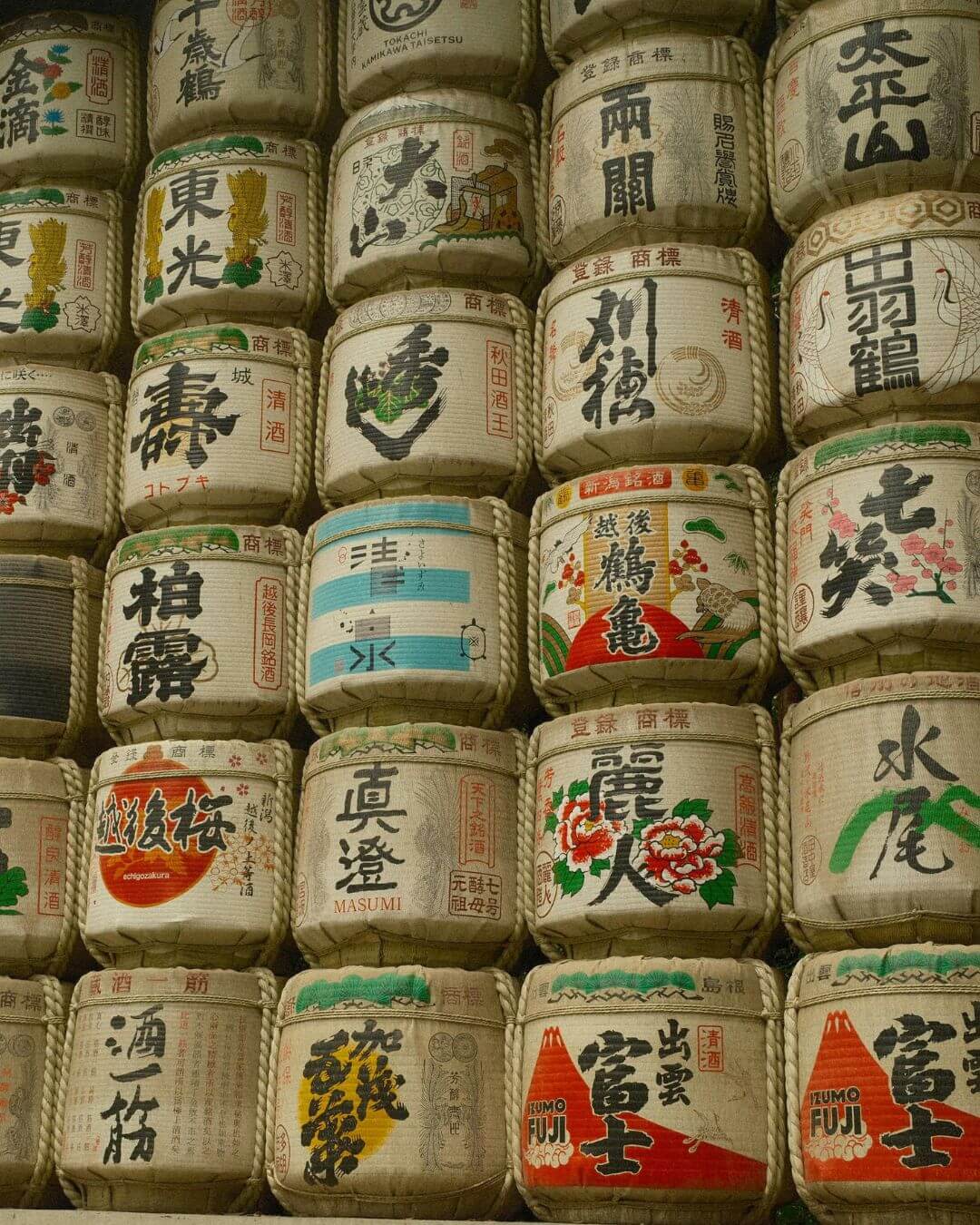

There are nuances of artisanal crafts that cannot be replicated by mass production.
Cape Potstill Brandy is more than a spirit; it is the embodiment of centuries of artisanal skill, tradition, and cultural identity. Each drop tells a story of master distillers passing knowledge to apprentices, copper pot stills warming slowly over the Cape’s vineyards, and oak barrels nurturing flavours that cannot be rushed.
There are nuances of artisanal crafts that cannot be replicated by mass production. Yet, as global trends favour mass-produced spirits, these artisan skills risk being lost. The challenge is not unique to South Africa. Across the world, Japan has faced similar pressures with sake and shochu. Small distilleries, often run by families for generations, compete in markets flooded with industrially produced alternatives. Yet, through protected designations, meticulous quality standards, and apprenticeship programs, Japan has managed to safeguard its heritage while thriving commercially. Distilleries embrace innovation for efficiency, but never at the expense of the hands-on methods that define their products.
South Africa’s Cape Potstill Brandy industry can draw lessons from this approach. Initiatives like the Designated Product of Origin (DPO) for Cape Brandy provide legal protection for authenticity and production methods, echoing Japan’s careful regulation of sake. Masterclasses, distillery experiences, and multi-generational mentorship programs ensure that knowledge is transferred, skills are honed, and the craft remains alive. This is heritage preservation in action, ensuring that the legacy of Cape Potstill Brandy is as rich as its taste.
But preserving craft is a deliberate choice. Global demand and commercial pressures tempt to prioritise short-term profit over long-term sustainability. True success comes from balancing growth with respect for tradition—ensuring that the next generation of artisans has the tools, knowledge, and opportunity to thrive.
Producers of Cape Potstill Brandy, and the broader South African wine and spirits industry, have a responsibility to act. By investing in artisanal training programs, maintaining historic distilleries, preserving the historical narratives and championing the DPO, they secure not just the future of a product, but the legacy of a craft that defines a culture.
In a future where authenticity and time are commodities- Cape Potstill Brandy holds true to preserving both.
Like Japan’s sake and shochu, Cape Potstill Brandy can compete globally while safeguarding its heritage—preserving a trade, a skill, and a story for generations to come.